News

Needle Roller Bearing Selection: Clearance, Cage Type, Lubrication FAQ

Introduction Needle roller bearings pack high load capacity into a remarkably compact radial cross-section. Their defining feature — rollers that are at least 3x longer than their diameter — enables them to handle heavy radial loads where space is tight. But that compactness comes with specific installation and lubrication requirements that, if ignored, lead to […]

Needle Roller Bearing Selection: Clearance, Cage Type, Lubrication FAQ Read More »
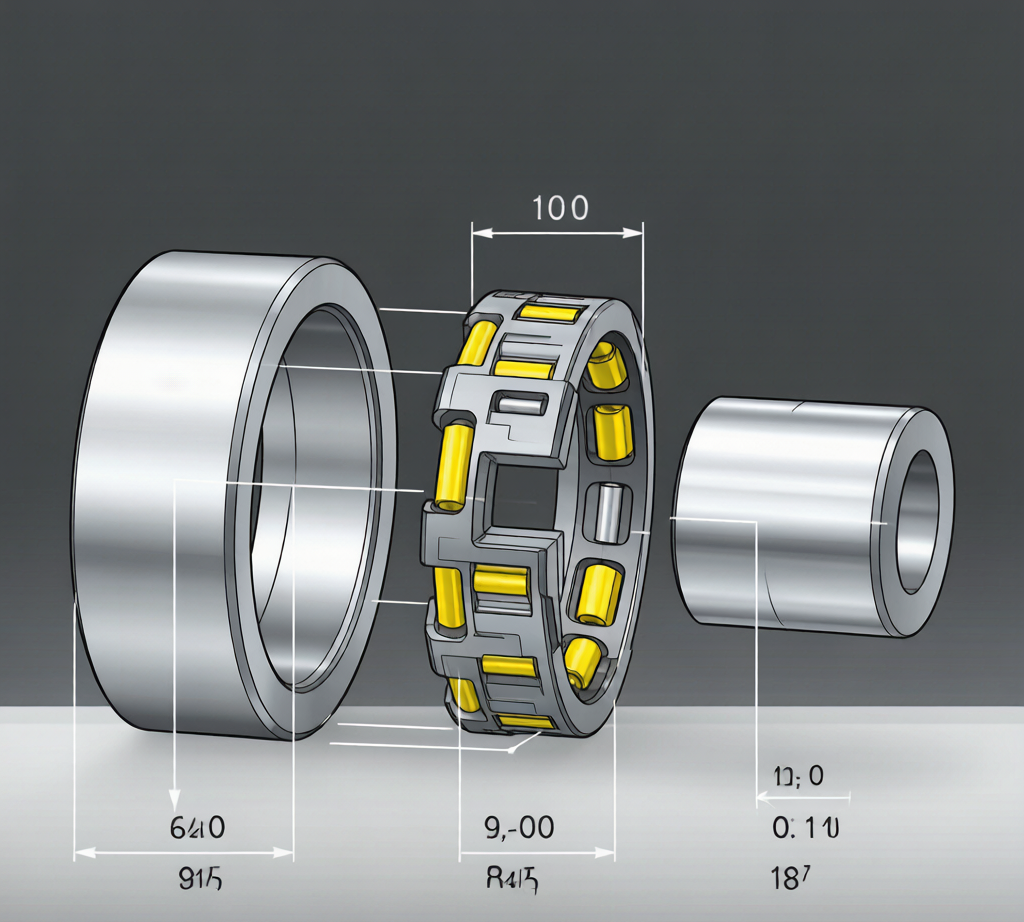
Needle roller bearing exploded view technical diagram

Needle Roller Bearing Selection: Clearance, Cage Type, Lubrication FAQ

Introduction Needle roller bearings pack high load capacity into a remarkably compact radial cross-section. Their defining feature — rollers that are at least 3x longer than their diameter — enables them to handle heavy radial loads where space is tight. But that compactness comes with specific installation and lubrication requirements that, if ignored, lead to

Needle Roller Bearing Selection: Clearance, Cage Type, Lubrication FAQ Read More »
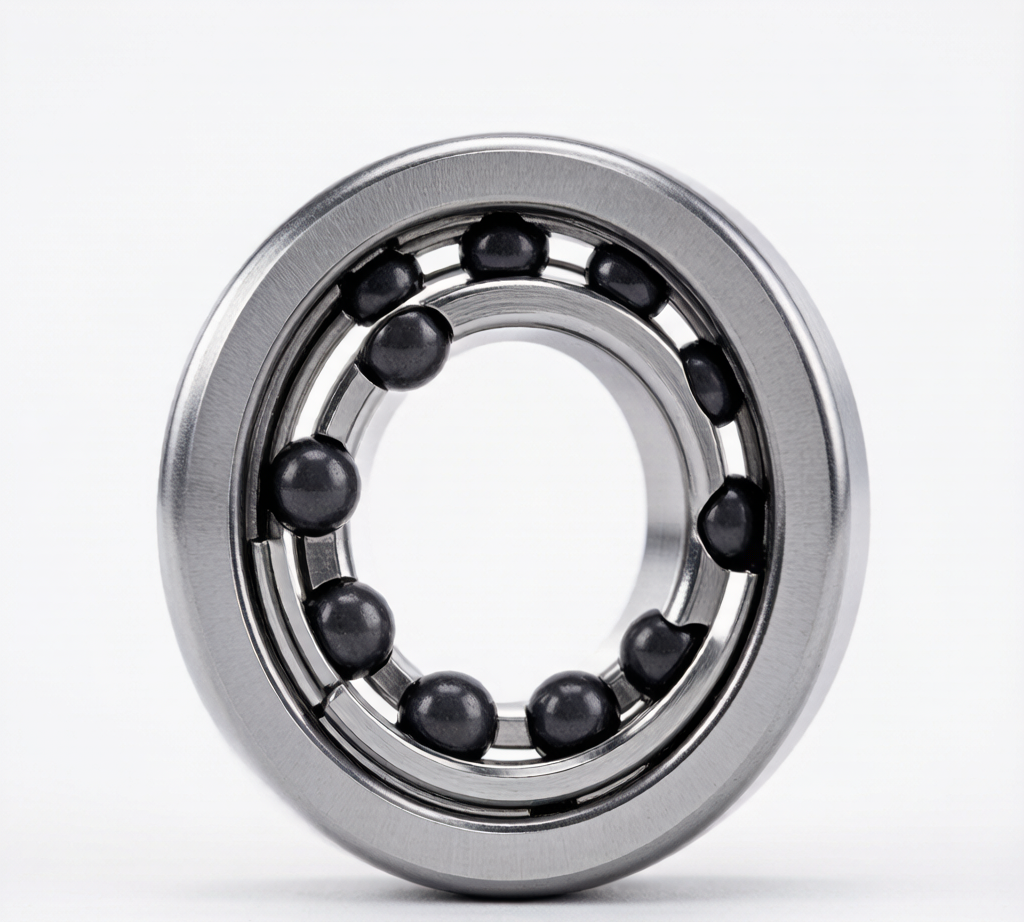
Ceramic Hybrid Bearings: Si3N4 vs ZrO2 — Properties, Applications, Selection

Introduction Ceramic hybrid bearings — with steel rings and ceramic rolling elements — bridge the gap between standard all-steel bearings and exotic full-ceramic bearings. They offer higher speed capability, better electrical insulation, and longer life in marginal lubrication conditions. But not all ceramics are equal: silicon nitride (Si3N4) dominates the market, while zirconia (ZrO2) fills

Ceramic Hybrid Bearings: Si3N4 vs ZrO2 — Properties, Applications, Selection Read More »

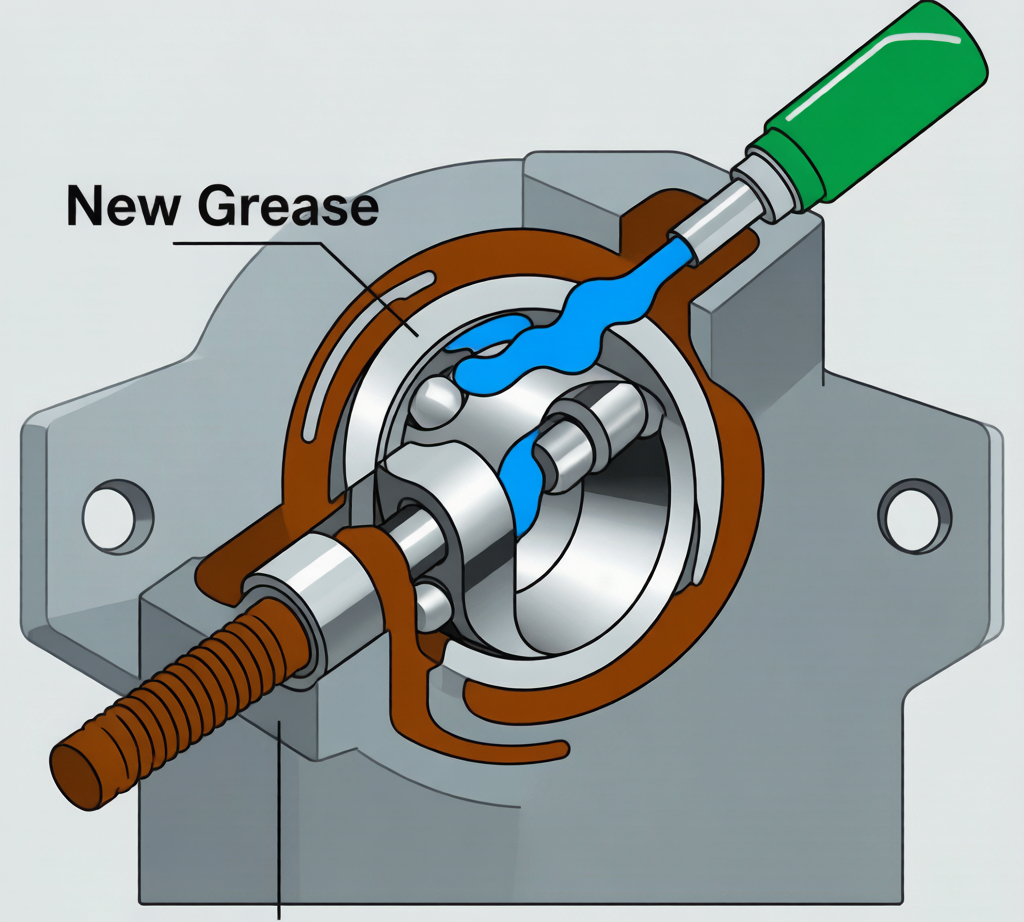
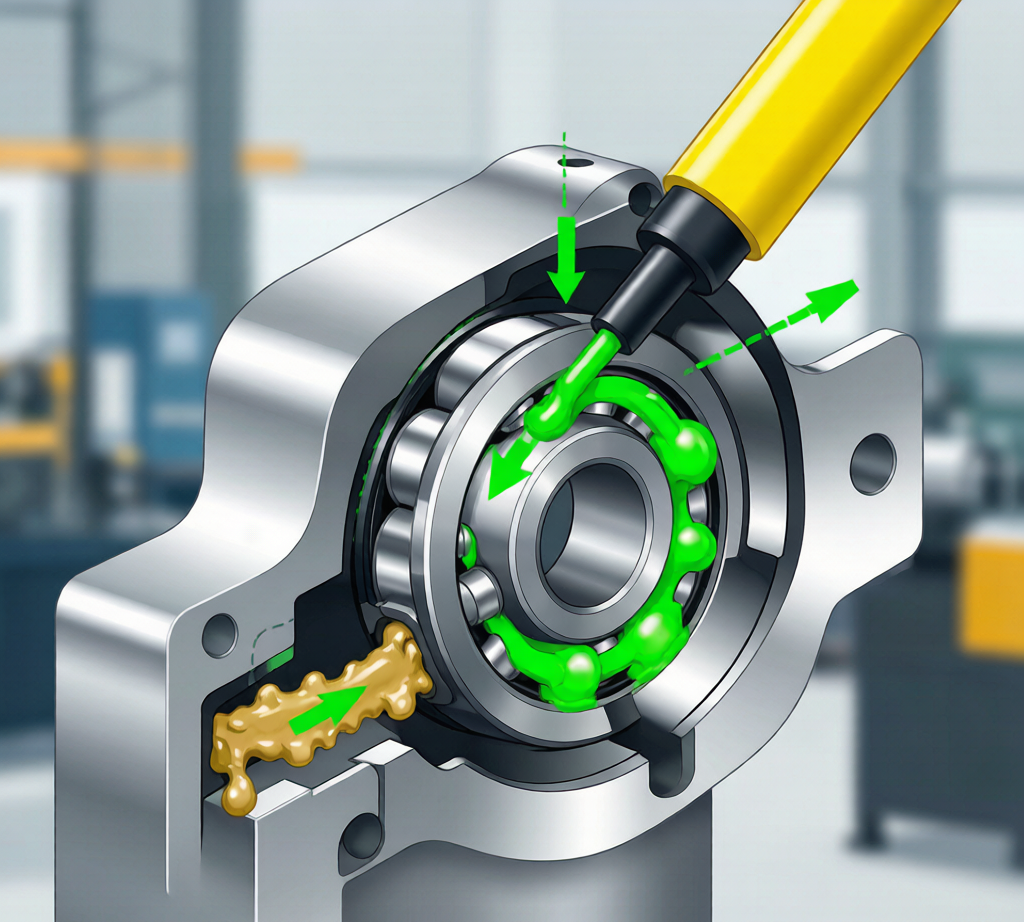
Bearing Lubrication Intervals: Re-Greasing Frequency and Quantity Guide

Introduction Under-lubricated bearings run dry and fail. Over-lubricated bearings overheat, blow seals, and contaminate the product. Getting the interval and quantity right is the single highest-impact maintenance practice for extending bearing service life. This guide provides the formulas, tables, and rules of thumb that maintenance teams and reliability engineers use to build lubrication schedules that

Bearing Lubrication Intervals: Re-Greasing Frequency and Quantity Guide Read More »

Bearing Lubrication Intervals: Re-Greasing Frequency and Quantity Guide

Introduction Under-lubricated bearings run dry and fail. Over-lubricated bearings overheat, blow seals, and contaminate the product. Getting the interval and quantity right is the single highest-impact maintenance practice for extending bearing service life. This guide provides the formulas, tables, and rules of thumb that maintenance teams and reliability engineers use to build lubrication schedules that

Bearing Lubrication Intervals: Re-Greasing Frequency and Quantity Guide Read More »

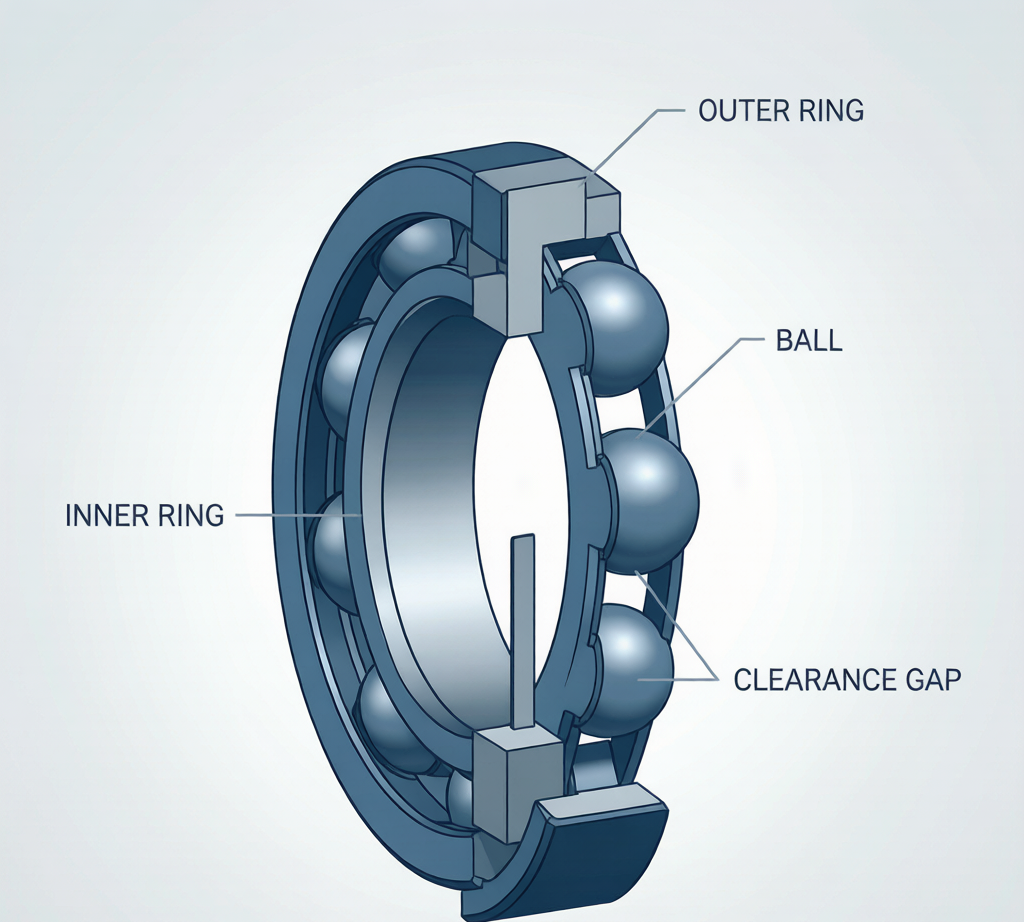
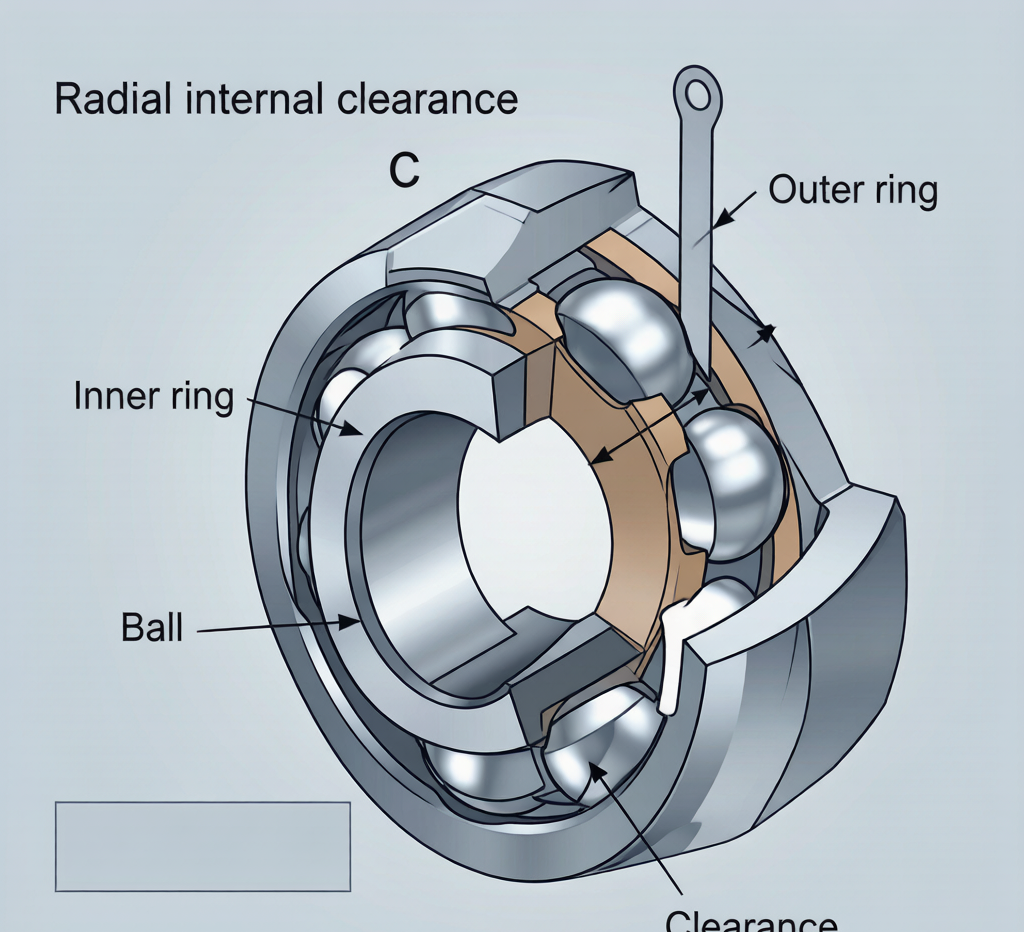
Bearing Internal Clearance: C2, CN, C3, C4, C5 Selection Guide

Introduction Internal clearance is one of the most misunderstood yet critical parameters in bearing selection. Choose the wrong clearance class, and your bearing will either overheat from excessive preload or vibrate from excessive slop. This guide explains what radial internal clearance (RIC) means, what each clearance class (C2 through C5) is designed for, and how

Bearing Internal Clearance: C2, CN, C3, C4, C5 Selection Guide Read More »

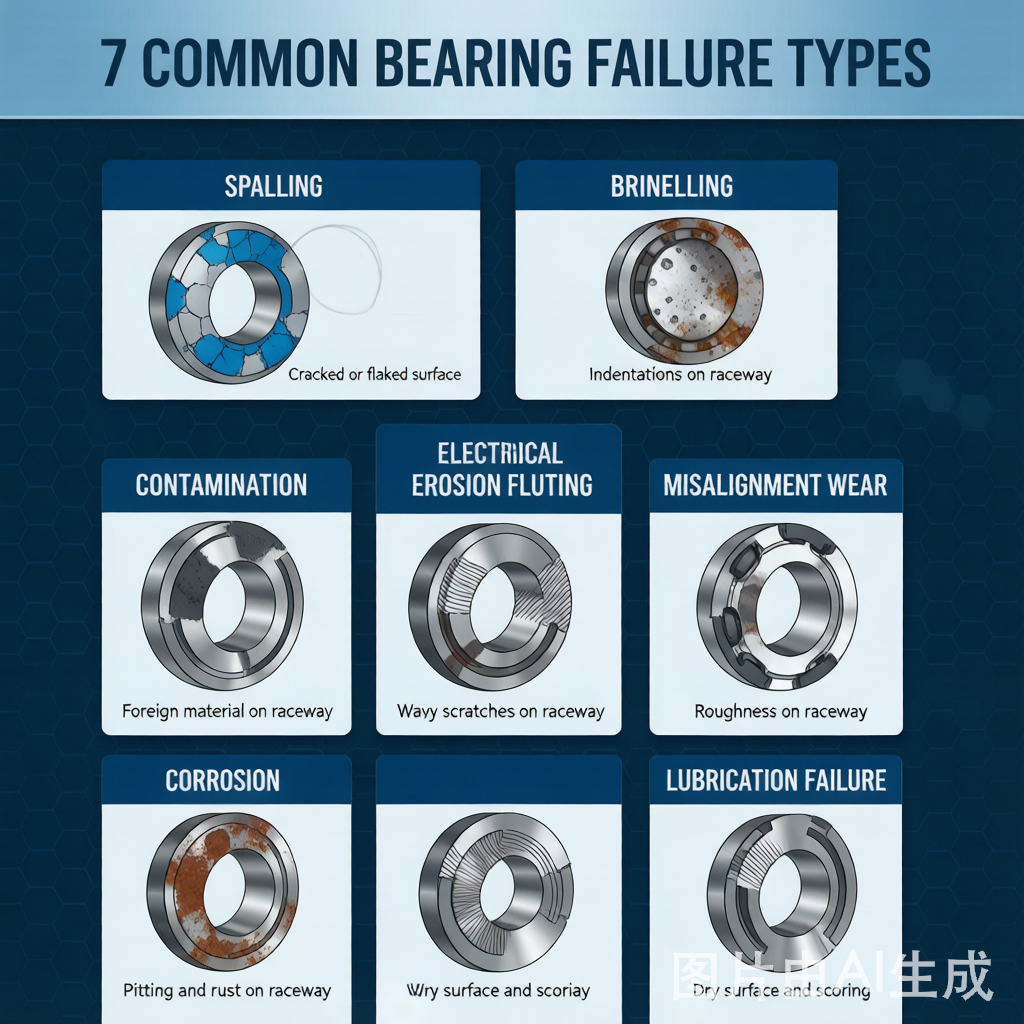
7 bearing failure types infographic: spalling, brinelling, contamination, electrical erosion, misalignment, corrosion, lubrication failure

Bearing Failure Analysis: 7 Most Common Causes and How to Prevent Them

Introduction 7 bearing failure types infographic: spalling, brinelling, contamination, electrical erosion, misalignment, corrosion, lubrication failure Bearing failures rarely happen in isolation. When a bearing fails prematurely — defined as failure before reaching its calculated L10 fatigue life — there’s almost always a root cause in installation, lubrication, contamination, or operating conditions. Misdiagnosing the failure mode

Bearing Failure Analysis: 7 Most Common Causes and How to Prevent Them Read More »

Bearing Failure Analysis: 7 Most Common Causes and How to Prevent Them

Introduction 7 bearing failure types infographic: spalling, brinelling, contamination, electrical erosion, misalignment, corrosion, lubrication failure Bearing failures rarely happen in isolation. When a bearing fails prematurely — defined as failure before reaching its calculated L10 fatigue life — there’s almost always a root cause in installation, lubrication, contamination, or operating conditions. Misdiagnosing the failure mode

Bearing Failure Analysis: 7 Most Common Causes and How to Prevent Them Read More »

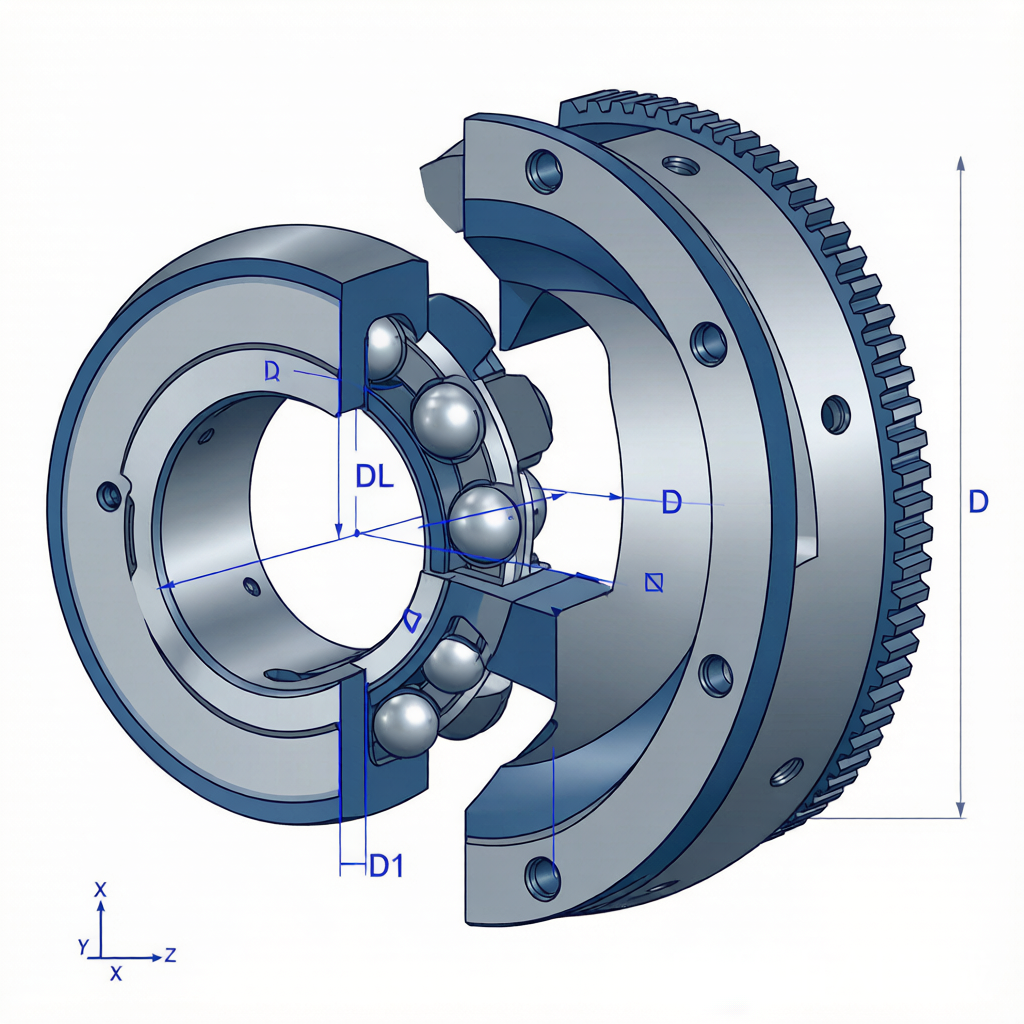
Four-point contact slewing bearing cutaway diagram showing raceway, gear teeth, and rolling elements

Slewing Bearing Selection Guide: Load Calculation, Gear Type, Installation

Introduction A slewing bearing — also called a slewing ring or turntable bearing — is a large-diameter rolling-element bearing capable of handling simultaneous axial, radial, and moment loads. You’ll find them in excavators, tower cranes, wind turbine yaw systems, radar antennas, and tunnel boring machines. Selecting the wrong slewing bearing leads to premature failure, costly

Slewing Bearing Selection Guide: Load Calculation, Gear Type, Installation Read More »

Shopping Cart

Get A Quote

Message